Enterprise Retail
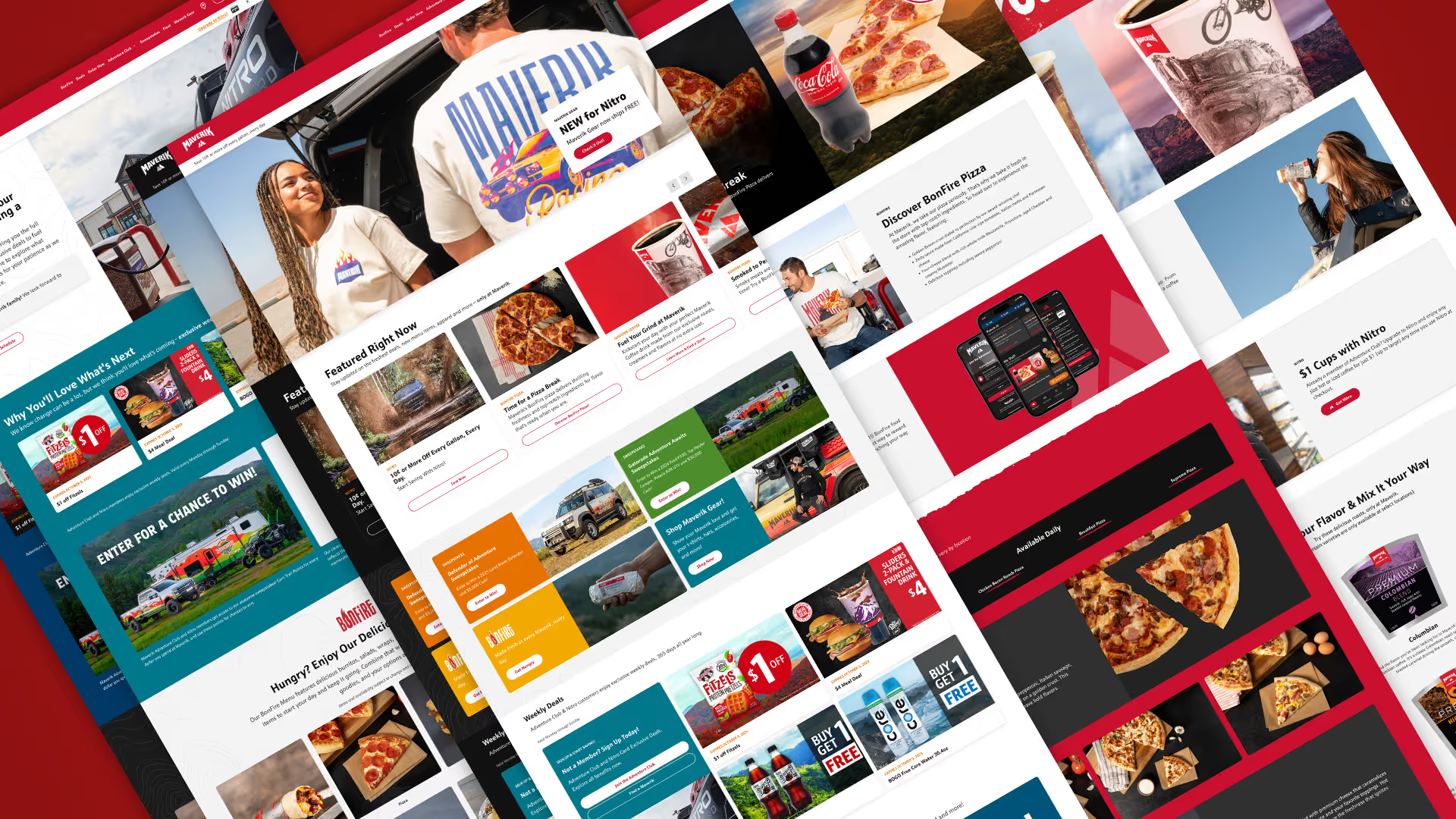
Maverik - Public-Facing Platform Modernization
Modernization of high-traffic public-facing systems serving 600k+ monthly users while eliminating vendor dependency and preserving operational continuity.
Executive Overview
Led the architectural modernization of Maverik’s public-facing digital platforms following acquisition and brand consolidation, transforming legacy static systems into scalable, governed infrastructure supporting marketing, recruitment, and brand operations.
The Challenge
Maverik’s public website had grown to more than 100 static pages built on traditional HTML, CSS, and JavaScript. Content updates required manual intervention, creating bottlenecks and operational strain.
Following acquisition of Kum & Go, both brands maintained overlapping digital systems with duplicated effort and inconsistent governance.
To support business growth and campaign velocity, leadership required:
- Scalable architecture
- Shared platform governance
- Reduced vendor reliance
- Improved performance and accessibility
- Operational continuity during transition
This was not a redesign initiative. It was structural modernization.
My Role
Provided architectural leadership and modernization strategy across both brands, guiding the transition from static web infrastructure to a scalable, component-driven platform built on Astro and React.
Established coding standards, architectural governance, and implementation discipline aligned to enterprise reliability expectations.
The Approach
- Re-architected frontend systems to support dynamic content, automated routing, and shared design components
- Implemented structured content collections to eliminate manual page duplication
- Integrated UI systems into reusable component libraries following Atomic Design principles
- Aligned platform capabilities with marketing, PR, and product teams to accelerate campaign delivery
- Instituted maintainability and governance standards to reduce long-term technical debt
Measurable Outcomes
- Increased monthly traffic from 22k to 640k page views
- Eliminated over $600k in annual external vendor costs
- Improved performance, accessibility, and long-term maintainability
- Reduced internal operational friction and accelerated go-to-market timelines
For leadership, the result was reduced dependency and increased control.
For users, a faster, more reliable experience.
For internal teams, streamlined workflows and scalable governance.
Modernization Principles Applied
This engagement reflects the same structural principles that guide the Public-Facing Systems Modernization Assessment:
- Architecture defined before aesthetic redesign
- Governance established before platform tooling decisions
- Risk exposure evaluated before initiating rebuild
High-visibility systems require structural clarity, not surface-level updates.